

Introduction: When visiting a temple in Taiwan, presenting offerings is a beautiful way to show respect to the deities. However, choosing the right fruits for offering is a serious matter steeped in cultural symbolism! You might wonder: “Why can’t I offer a guava?” or “How many oranges should I bring for the Earth God?”
This comprehensive guide will demystify the art of preparing fruits for offering. From the most auspicious fruits that attract luck and wealth to the strict taboo list you must avoid, and the essential “Odd-Number Rule,” we’ll help you prepare the perfect offering to ensure your prayers are respectfully received!

Chapter 1: Best Fruits for Offering to Deities
Deities appreciate good food too! Choosing round, brightly colored fruits with auspicious meanings not only looks beautiful on the altar but also precisely conveys your wishes.
1.1 Top 5 Auspicious Fruits
| Fruit | Symbolic Meaning | Recommended Qty | Suitable For |
|---|---|---|---|
| 🍎 Apple (Ping Guo) | Peace and Safety. The most common fruit for offering. | 1-3 pieces | All Deities (Universal) |
| 🍊 Orange (Ju Zi) | Great Luck and Fortune. Bright and festive. | 3-5 pieces | All Deities (Essential for Lunar New Year) |
| 🍍 Pineapple (Feng Li) | Prosperity Arrives (Wang Lai). A favorite for business owners. | 1 piece | Wealth Gods, Earth God |
| 🍐 Pear (Li Zi) | Attracting Wealth. Sweet and juicy, symbolizing financial flow. | 1-3 pieces | Deities of Wealth |
| 🍈 Pomelo (You Zi) | Blessings / Offspring. Large and round, symbolizing abundance. | 1 piece | Ancestors, All Deities |
1.2 Other Common Lucky Fruits
- Grapes / Longans: Symbolize “abundance of offspring and harvest.” Note: It’s best to slightly separate the bunch to avoid the association of “a string of bad luck.”
- Bananas: The Taiwanese pronunciation sounds like “attracting,” symbolizing “attracting wealth.”
- Pomegranates: Full of seeds, symbolizing “thriving descendants.” Especially suitable for the Jade Emperor (Sky God).
For more details on local fruits, you can check out this Taiwan Fruit Guide for Foreigners.
1.3 Pairing Fruits for Specific Deities
- Jade Emperor (Sky God): The most solemn! Recommended “Five Fruits”: Pomegranate, Apple, Orange, Grape, Banana.
- Mazu / Guanyin Bodhisattva: Prefer purity. Recommended “Standard Three”: Apple, Orange, Pear.
- What does the Earth God (Tu Di Gong) like? He loves practical combinations for wealth: Pineapple, Orange, and Apple, paired with sweet mochi!
Chapter 2: Taboo Fruits – What NEVER to Offer
Some fruits, while delicious, are strictly forbidden on the deity’s table in traditional folklore.
❌ Top 3 Taboo Fruits
| Taboo Fruit | Reason for Taboo | Safe Alternative |
|---|---|---|
| Guava | Has many seeds that pass through the digestive system, considered “unclean” and disrespectful to deities. | Pomegranate (many seeds but viewed positively for descendants) |
| Tomato | Similar to guavas regarding seeds. Also, traditionally considered more of a vegetable than a fruit. | Apple (also red, symbolizing peace) |
| Sugar Apple (Sakyamuni) | Its bumpy appearance resembles the head of Buddha (Sakyamuni). Offering it is considered highly disrespectful. | Pomelo (round and large, symbolizing blessings) |
You can read more about the fascinating cultural debate surrounding the Sugar Apple in this opinion piece on Taiwan’s Divine Fruit.
2.2 Other Fruits to Avoid
- Overripe or Rotten Fruits: Decay symbolizes decline and disrespect, ruining the blessing.
- Damaged or Bruised: Symbolizes “incompleteness” or “flaws.”
- Unseparated Bunches (Grapes, Bananas): In certain rituals (like funerals or Ghost Month), a whole bunch symbolizes “a string of bad events.” Separate them slightly into smaller clusters.
Chapter 3: Fruits for Honoring Ancestors
The rules for choosing fruits for offering to ancestors are similar to those for deities. The core principles are: Round appearance (completeness), Bright colors (vitality), and Auspicious meanings (blessings).
3.1 Best Choices for Ancestors
Top picks: Apples, Oranges, Pears, Pomelos, Pineapples. Secondary choices: Grapes, Longans, Bananas (symbolizing attracting wealth to descendants).
3.2 Groupings for Different Occasions
- Tomb Sweeping Day / Anniversaries: Use seasonal fresh fruits. Standard combo: Apple, Orange, Pear.
- Ghost Festival (Pudu): Prepare an abundant five-fruit combo to pray for peace.
Chapter 4: The Odd-Number Rule: How Many Fruits?
When buying fruits for offering, always remember the golden rule: The quantity must be an “Odd Number”!
🔢 The Secret Code of Numbers
In traditional I Ching (Book of Changes) and Taoist theory, “Odd numbers (1, 3, 5, 7, 9) belong to Yang,” while “Even numbers (2, 4, 6, 8) belong to Yin.” Whether worshipping deities or ancestors, we pray for light and protection in the Yang (living) world, so Yang numbers must be used.
- Number of Fruit Types: Usually 1, 3, or 5 types. (3 for daily worship; 5 for important festivals).
- Quantity per Type: The number of each specific fruit must also be odd (e.g., 1, 3, or 5 apples).
- Total Quantity: It’s best if the total number of all fruits combined is also an odd number.
4.2 Perfect Combination Examples
- Simple Daily (3 pieces): 3 Apples.
- Standard Lunar 1st/15th (5 pieces): 1 Apple + 3 Oranges + 1 Pineapple = Total 5 pieces (3 types of fruit).
- Deity Birthday Deluxe (9 pieces): 3 Apples + 3 Oranges + 3 Pears = Total 9 pieces (3 types of fruit).
4.3 Tips for Arranging Fruits
When placing offerings, stability is key. Put large fruits (Pineapple, Pomelo) at the bottom as a base; medium fruits (Apples, Pears) in the middle; and small fruits (Oranges) on top. This looks visually appealing and symbolizes “rising step by step.”
Chapter 5: Recommended Worship Accessories
If you’ve prepared perfect fruits for offering, pairing them with a solemn offering tray and shrine will show your utmost respect:
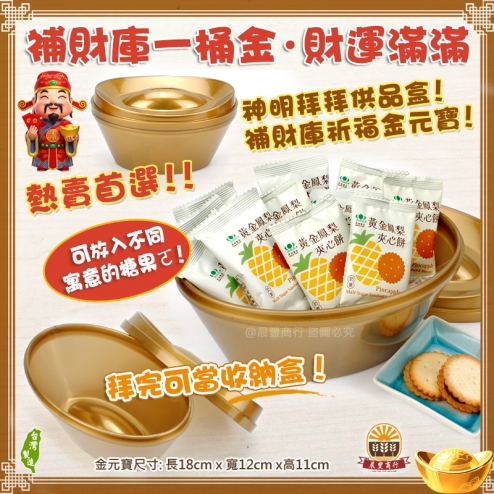
Premium Solid Wood Deity Altar
Provide a solemn and stable space for your deity statues or offerings. Solid wood carving, moisture-resistant and durable.
View Details
Solemn Pure Copper Offering Tray
Essential for holding auspicious fruits for deities and the Earth God! High quality and resistant to deterioration, showing solemnity and sincerity.
View DetailsChapter 6: FAQ about Fruits for Offering
The top 5 auspicious fruits are: Apples (Peace), Oranges (Good Luck), Pineapples (Prosperity), Pears (Attracting Wealth), and Pomelos (Blessings/Offspring). Grapes and bananas are also great choices.
Never offer Guavas or Tomatoes (many seeds that are excreted, considered unclean) or Sugar Apples/Sakyamuni (shaped like Buddha’s head, considered disrespectful). Also, avoid offering whole unseparated bunches of grapes or bananas for certain rituals, as it might symbolize “a string of bad luck”.
The Earth God loves fruits with auspicious meanings related to wealth, such as Pineapples (Prosperity), Oranges (Luck), and Apples (Peace). He also has a sweet tooth, so pairing fruits with mochi or peanut candy is highly recommended.
Always follow the “Odd Number Rule”. In traditional philosophy, odd numbers represent Yang (positive energy). Prepare 3 or 5 types of fruits, and for each type, offer 1, 3, or 5 pieces.
Absolutely! The fruits are considered to carry the deity’s blessing, bringing peace when eaten. Usually, you can collect the fruits after the incense has burned halfway (about 1-2 hours). Don’t leave them overnight to rot, especially in summer, as rotten fruit is disrespectful.
Conclusion
Selecting fruits for offering might seem complicated, but it reflects the Taiwanese people’s awe for deities, remembrance of ancestors, and hope for a good life. By mastering the “Odd-Number Rule” and avoiding taboos like many-seeded fruits, you can easily prepare the perfect offering.
Whether you are praying for wealth, peace, or honoring ancestors, what matters most to the deities is your sincere heart. Next time you visit a fruit market in Taiwan, take this guide with you and choose the best fruits for the divine!
